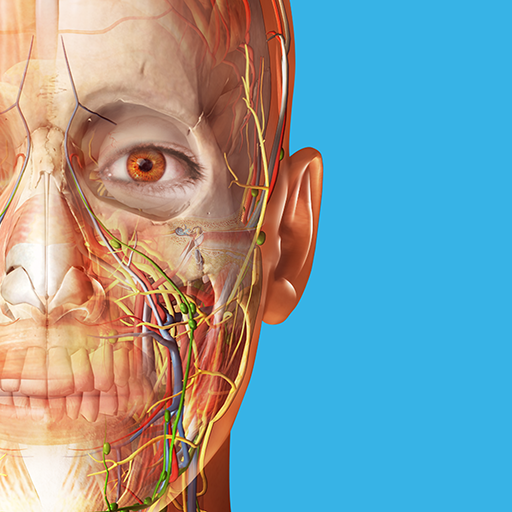
Human Anatomy Atlas 2025
Rating breakdown
TL;DR
- Human Anatomy Atlas 2025 enjoys a very positive overall sentiment, reflected in its high average rating and predominantly 5-star reviews. Users appreciate its detailed anatomical models, ease of use, and educational value. However, there are recurring issues related to AR functionality, app stability (crashing), font size, missing content, and tablet optimization. While the core functionality is well-received, addressing these pain points could significantly enhance the user experience and broaden the app's appeal. The app is primarily used by medical students and healthcare professionals, as well as individuals interested in learning about the human body.
Customer Reviews (100)
cool to see the human body
easy to use. AR function is hit and miss.
perfect for quick reference
Data & Methodology Overview
- Data Sample Size: 100 reviews
- Time Frame: Not explicitly stated, but assumed to be recent reviews based on the app version (2025).
- Analysis Methods: Sentiment analysis (qualitative assessment of positive, negative, and neutral feedback), keyword extraction (identifying frequently mentioned terms and topics), and thematic analysis (grouping reviews based on common issues or requests).
Key User Pain Points
- AR Functionality Issues: Several users reported problems with the AR feature, including it being "hit and miss," a blue screen error, and an inability to scan surfaces.
- App Crashing/Instability: Multiple users experienced app crashes, particularly after Android 14 updates or on specific devices (e.g., Xiaomi Pad 6, Pixel 8 Pro). This significantly impacts usability.
- Small Font Size: One user (Japanese) found the font size too small and unadjustable, making the app unusable.
- Missing Content: Some users noted the absence of specific anatomical structures (e.g., certain skull terms, serratus anterior insertion discrepancy, specific muscle animations) or clinical information (e.g., femoral triangle details, problems in the body).
- Tablet Optimization: Several users requested optimization for tablet devices, implying a suboptimal experience on larger screens.
- In-App Purchase Confusion: At least one user expressed frustration with the need for in-app purchases after paying for the app, leading to a refund request.
Frequently Requested Features
- More Clinical Information: Users, particularly medical students, desire more clinical information, such as borders and contents of anatomical regions (e.g., femoral triangle), and explanations of diseases and problems in the human body.
- Customizable Quizzes: One user requested the ability to create custom quizzes focusing on specific anatomical regions.
- Japanese Pronunciation: One user requested Japanese pronunciation.
- MRI Scan Integration: One user requested the addition of MRI scans for the musculoskeletal system.
- More Muscle Animations: A user requested specific muscle animations, such as internal and external hip rotation.
Strengths and Positive Aspects
- Detailed and Accurate Anatomy: Users consistently praise the app's detailed and accurate 3D models of human anatomy.
- Ease of Use: Many users find the app easy to use and navigate.
- Educational Value: The app is considered an excellent learning tool for medical students, healthcare professionals, and anyone interested in anatomy.
- Offline Functionality: The ability to use the app completely offline is a significant advantage.
- Helpful for Diagnosis and Explanation: Users find the app helpful for diagnosing and explaining medical conditions to healthcare providers.
- Muscle Movement Videos: Users appreciate the videos demonstrating muscle movements.
Prioritized Action Recommendations
High Priority:
- Fix App Crashing Issues: Address the app crashing problems reported by multiple users, especially on specific devices and after Android 14 updates. This is critical for usability.
- Improve AR Functionality: Investigate and resolve the issues with the AR feature, ensuring it works reliably across different devices. This feature is a selling point, so it needs to function properly.
- Address Font Size Issue: Provide options for adjusting font size, especially for users with visual impairments or those using the app in different languages. Accessibility is important.
Medium Priority:
- Expand Content: Add missing anatomical structures and clinical information requested by users. Prioritize requests based on frequency and relevance to the target audience.
- Optimize for Tablets: Improve the app's layout and functionality for tablet devices. This will enhance the user experience for a significant portion of users.
- Clarify In-App Purchases: Clearly communicate which features require in-app purchases to avoid confusion and frustration. Consider bundling frequently requested features into the base app price.
Low Priority:
- Implement Customizable Quizzes: Allow users to create custom quizzes focusing on specific anatomical regions.
- Add Japanese Pronunciation: Include Japanese pronunciation for anatomical terms.
- Integrate MRI Scans: Explore the feasibility of integrating MRI scans for the musculoskeletal system.
- Update UI: Update the user interface to give it a more modern look and feel.
Opportunities for Startup Ideas
- Personalized Anatomy Learning Platform: Develop a platform that uses AI to personalize anatomy learning based on individual needs and learning styles. This could include adaptive quizzes, customized 3D models, and targeted content recommendations.
- AR-Based Anatomy Education Tool for Patients: Create a simplified version of the app specifically designed for patient education, using AR to visualize anatomical structures and explain medical conditions in an accessible way.
- Virtual Anatomy Dissection Simulator: Develop a virtual dissection simulator that allows users to explore human anatomy in a realistic and interactive environment. This could be used for medical training or educational purposes.
Trends and Observations
- Positive Sentiment Dominates: The vast majority of users are highly satisfied with the app.
- AR Feature is a Double-Edged Sword: While the AR feature is a key selling point, its unreliability is a significant source of frustration.
- Content Requests are Specific and Targeted: Users are requesting specific anatomical structures and clinical information relevant to their fields of study or practice.
- Device-Specific Issues: App crashing issues appear to be more prevalent on certain devices, suggesting device-specific compatibility problems.
- Language Preferences: Reviews are primarily in English and Spanish, with some Japanese.
Conclusion
Human Anatomy Atlas 2025 is a highly regarded app with a strong user base. Its strengths lie in its detailed anatomical models, ease of use, and educational value. However, addressing the identified pain points, particularly those related to app stability, AR functionality, and content completeness, is crucial for maintaining user satisfaction and attracting new users. Prioritizing the recommendations outlined above will ensure that the app continues to be a valuable resource for students, healthcare professionals, and anyone interested in learning about the human body.
Original App Link
https://play.google.com/store/apps/details?id=com.visiblebody.atlas
Want the same teardown for your app?
Paste any App Store or Google Play link and get an AI report of user pain points, requested features, and startup opportunities — in minutes.